Why Australia is a Smart Choice for Modern Homeowners

Favorable Climate Conditions
Living in Melbourne offers a warm embrace to those interested in sustainable living and modern home design. The climate here not only brings down energy costs but also aligns perfectly with eco-friendly innovations in construction. For instance, the moderate climate significantly reduces heating and cooling needs, allowing me to focus on integrating smart home features without breaking the bank. Considering the abundance of natural light in this region, strategically placed windows can maximise efficiency and comfort.
Energy Efficiency Benefits
Melbourne's temperate climate plays a crucial role in enhancing the energy efficiency of homes. By aligning insulation and ventilation systems, you can optimise energy use, making the city a prime location for individuals seeking new homes. Builders are increasingly incorporating sustainable techniques that harness Melbourne's favourable conditions, which is evident in various new homes melbourne builders projects.
Reduced Heating and Cooling Needs
One of the standout advantages of Melbourne's climate is the reduction in heating and cooling requirements. True, this allows us to focus our energy on smart home technologies, such as automated blinds and thermostat systems, that enhance comfort without raising costs. The savings accrued can even make house and land package melbourne deals more appealing as they fit snugly within sustainable living philosophies.
Leveraging Natural Light
Capitalising on the natural light available across Melbourne is not just a design preference; it's a practical solution for energy conservation. Incorporating large windows and open spaces can amplify this benefit, making display homes for sale Melbourne attractive for environmentally conscious individuals. Whether you're strolling through the South Bank Parklands or considering a property visit, sunlight not only brightens spaces but also contributes to a lower carbon footprint.
Sustainable Building Innovations
Eco-Friendly Materials
In the world of sustainable construction, the emphasis on eco-friendly materials is quite significant. As someone who's always on the lookout for innovative building methods, I've found materials such as recycled steel and bamboo pivotal. Recycled steel is remarkable for its durability and minimal environmental impact. Additionally, bamboo stands out due to its rapid growth cycle and inherent strength, making it a versatile choice for both structural and aesthetic applications. Not only do these materials reduce carbon footprints, but they also contribute to the overall energy efficiency of mt atkinson display homes.
Water Conservation Techniques
Living in Brisbane, I've always been mindful of water conservation. Installing smart irrigation systems and rainwater tanks are two effective ways of achieving this goal. Smart irrigation systems automatically adjust water usage based on real-time weather conditions, minimizing waste. Rainwater tanks are another excellent addition, collecting and storing rainwater for later use in gardening or flushing toilets. These techniques are especially beneficial in regions with inconsistent rainfall, helping to ensure sustainable water management across new construction projects.
Renewable Energy Integration
Speaking from experience, integrating renewable energy into building designs not only aligns with sustainable goals but also significantly cuts down long-term costs. A prime example would be installing solar panels. These panels harness solar energy to power homes efficiently. Pairing them with home battery systems maximizes energy retention and usage. I've noticed a growing trend in point cook display homes utilizing such renewable solutions to create eco-friendly and energy-efficient environments without sacrificing modern comforts.
Regulatory Support and Incentives
Green Building Standards
As a resident of Brisbane with a keen interest in technology and sustainable construction, understanding green building standards is crucial. These standards ensure that structures are designed and built to achieve impressive environmental performance. In Australia, regulations like the Nationwide House Energy Rating Scheme (NatHERS) offer a framework that helps builders achieve higher energy efficiency ratings. By focusing on these standards, designers can incorporate features such as advanced insulation and efficient lighting into projects like those in display homes melbourne. It’s particularly exciting to see these principles being implemented in new house and land package developments, promoting feasible solutions for eco-conscious living.
Sustainable Construction Grants
In Brisbane, particularly near the scenic South Bank Parklands, builders and architects can leverage sustainable construction grants to push the envelope in eco-friendly housing projects. These grants are designed to make sustainable construction more accessible, financing innovations that may otherwise be constrained by budget limits. It's an encouraging sign for those of us in the real estate space, enabling projects that use cutting-edge materials and renewable technologies to become more commonplace.
Support for Innovation
One of the standout features of Australia's approach to sustainable construction is its robust support for innovation. This not only encourages traditional builders to adopt greener practices but also incentivises the development of advancements in smart home features. As an engineer, I'm always on the lookout for these technological integrations that enhance living spaces without compromising sustainability.
Diverse Architectural Styles
Modern Minimalism
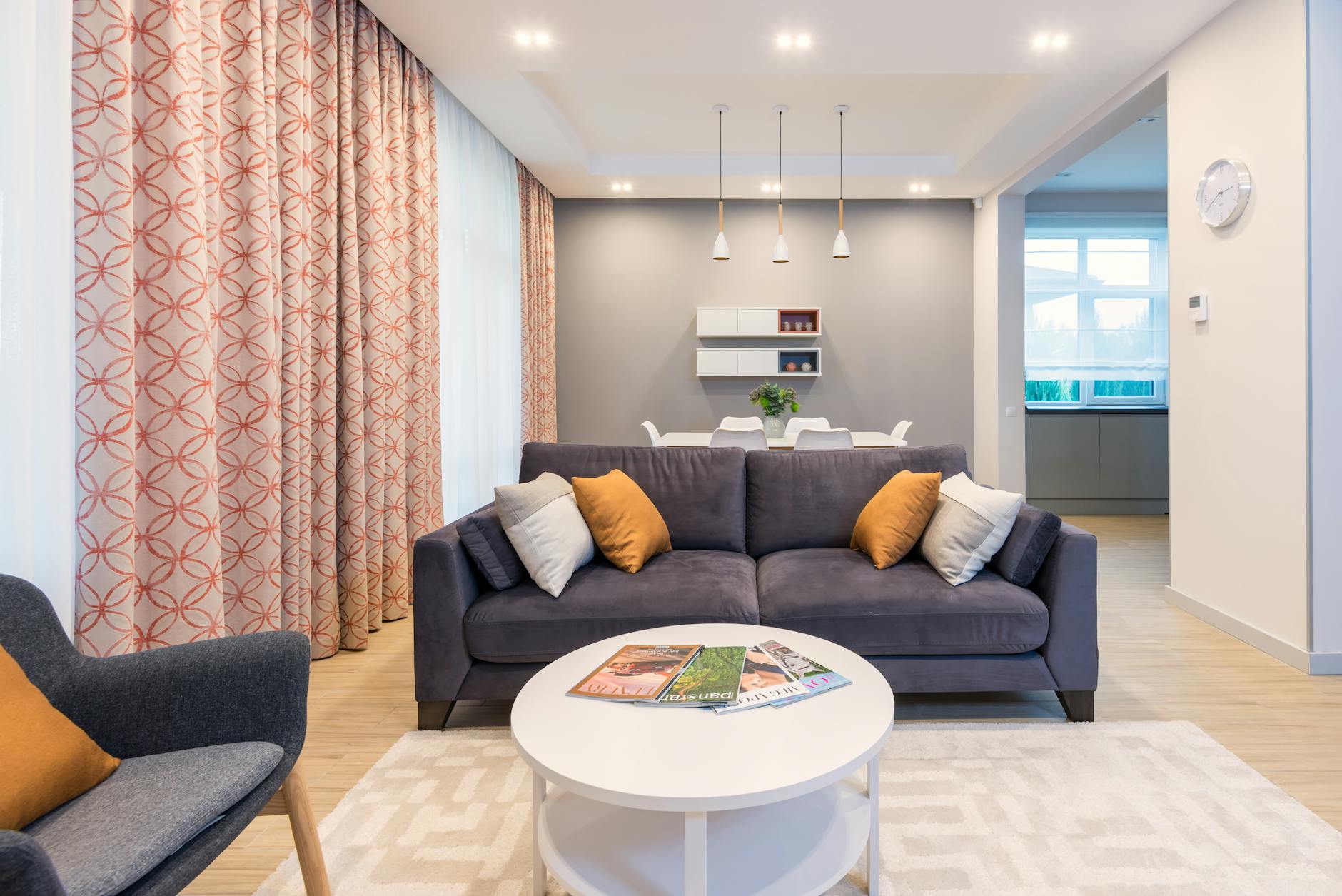
In the dynamic landscape of sustainable housing, modern minimalism represents a fusion of sleek design and practical functionality. This architectural style embraces clean lines, large windows, and open spaces that optimise natural light and airflow. By prioritising energy efficiency and simplicity, this design allows display homes tarneit to integrate seamlessly with the surrounding environment, making it an ideal choice for eco-conscious individuals. It’s about creating spaces that echo the simplicity and functionality found in nature, reinforcing Jack's vision of sustainable urban development.
Traditional Australian Designs
Traditional Australian designs evoke a sense of cultural heritage while infusing modernity. These designs often feature wide verandas and open floor plans that facilitate natural ventilation. In areas like Gisborne, some display homes gisborne have managed to incorporate these classic elements while remaining at the forefront of green building technology. The charm of such designs is their adaptability to climate conditions, making them suitable for diverse Australian environments. For Jack, integrating these traditional aesthetics with eco-friendly practices would honour Australia's architectural legacy while propelling it into a more sustainable future.
Adaptable Living Spaces
Adaptable living spaces represent a revolutionary approach where homes are designed to be flexible, accommodating changing needs and preferences. This includes reconfigurable walls and multi-functional furniture, which maximise space utilisation without massive structural changes. The idea is to create homes that evolve with their occupants, reducing the need for frequent renovations and thus minimising waste. By focusing on such adaptable designs, Jack can find alignment with sustainable practices, catering to diverse lifestyles while promoting resource conservation. This forward-thinking approach ensures that homes remain viable and valuable, catering to the contemporary lifestyle demands in Australia.
Addressing Challenges in Sustainable Projects
Navigating Budget Constraints
When tackling sustainable building projects, budget constraints can pose significant hurdles. As an aspiring homeowner with a keen interest in both technology and sustainability, I understand the need to balance innovative design with financial viability. To manage expenses, leveraging technologies such as building information modelling software can help me accurately estimate costs and identify areas where savings are possible. Exploring government incentives designed to support eco-friendly initiatives can also ease financial burdens. The Brisbane City Council offers various grants for sustainable construction that could be a game-changer in keeping expenditures under control.
Partnering with Qualified Professionals
Locating qualified partners who are well-versed in sustainable construction can be daunting. With the rise of smart home features, such as automated climate control and energy-efficient appliances, finding tradespeople who are adept at integrating technology with eco-friendly design is crucial. Networking at local events at places like the Queensland Museum or during sustainable design workshops can uncover professionals experienced in blending tech-savvy solutions with sustainable architecture. This collaboration is pivotal to ensuring projects align with high environmental standards while embracing cutting-edge technology.
Overcoming Material Sourcing Issues
Material sourcing continues to challenge sustainable building, especially when emphasizing eco-friendly supplies. Aligning with suppliers who prioritise renewable materials, such as bamboo or recycled composites, is essential. Even swimming in the innovative waters around Streets Beach at South Bank can remind us of the potential to utilise local resources creatively. It's about harnessing technology to stay updated on sustainable material trends, ensuring materials used in construction promote environmental responsibility and lasting value.
Successfully navigating these challenges involves not only a financial strategy but also a strong network of professionals and sustainable resources. By embracing these methods, I'm optimistic about turning any sustainable project into a reality.